
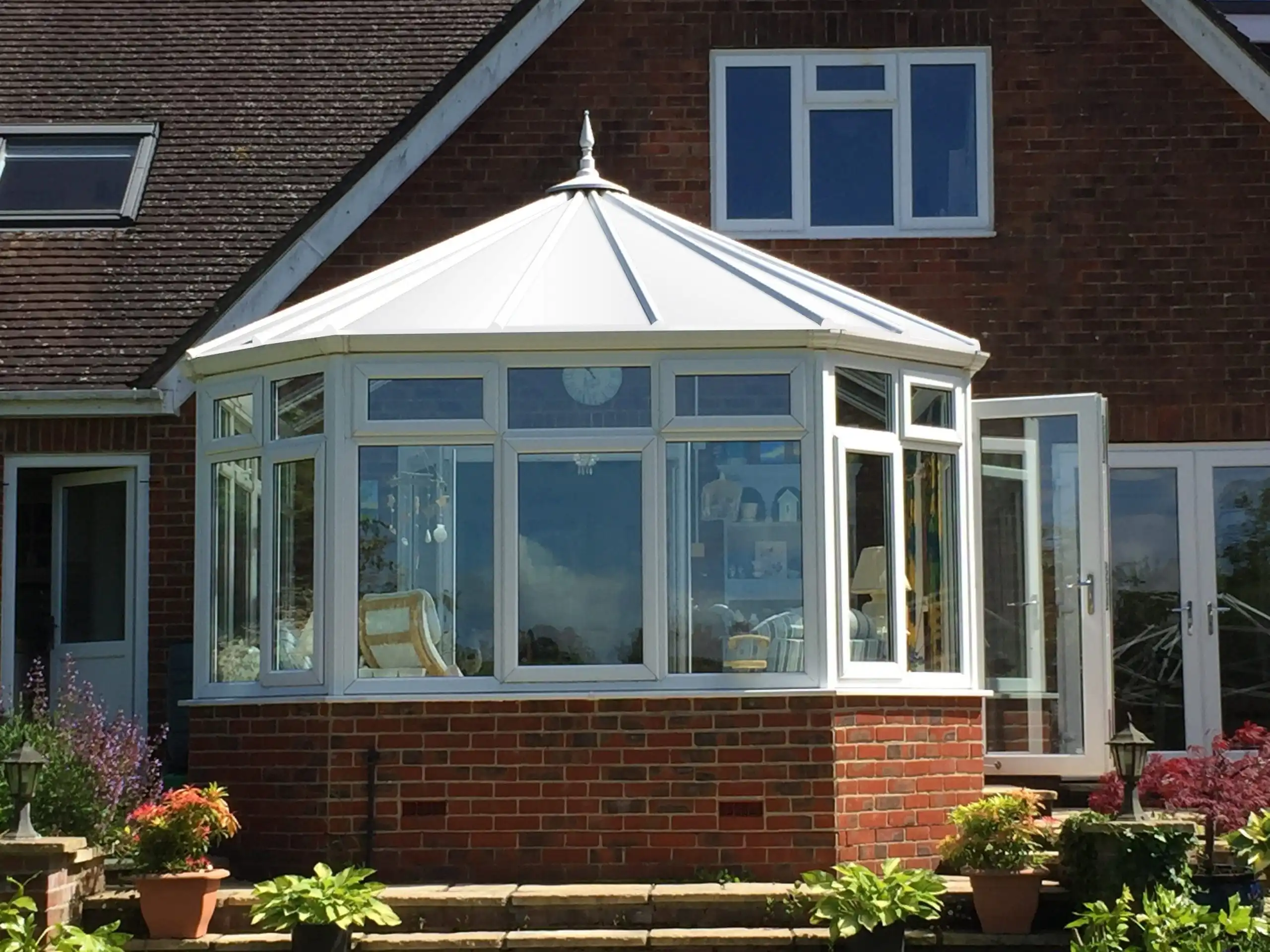
Quick answer: Conservatory insulation reduces heat loss in winter and heat gain in summer, so your conservatory becomes usable all year round. The five main options are roof blinds, thin thermal inserts, internal insulation (multifoil or PIR boards), insulated roof panels, and solid or tiled roof replacement. Insulated roof panels, such as CosyPanels, offer the best balance of comfort, light retention and cost, typically installed using your existing frame in a single day. A full roof replacement costs considerably more, averaging around £10,000 according to 2026 UK pricing data.
If you’ve ever given up on your conservatory because it’s unbearable in August and freezing in January, you’re not alone. It’s one of the most common complaints among UK homeowners, and it’s also one of the easiest problems to fix.
The good news is that making your conservatory comfortable all year doesn’t need to mean a full rebuild. Several insulation options exist, ranging from simple roof blinds to complete insulated panel systems, each with different costs, disruption levels and results.
This guide compares all five main approaches to conservatory insulation. You’ll learn how each one works, what it costs, how long installation takes, and which option suits your home, your budget and your lifestyle.
Why your conservatory is too hot in summer and too cold in winter
Conservatories are built with large areas of glass or polycarbonate, materials that are excellent at letting light in but poor at holding heat. That’s why the same room can swing between uncomfortably cold and unbearably warm within a single day.
How conservatory insulation works in winter
Heat naturally moves from warm spaces to cold ones. Without insulation, warmth escapes through your conservatory roof almost as fast as your heating can produce it. Adding an insulating layer – whether that’s a blind, a foil lining or a solid panel – slows that heat loss down. The result is a room that holds its temperature for longer, so your heating works less hard to keep it comfortable.
How it keeps your conservatory cooler in summer
The same principle works in reverse during warmer months. Insulation reflects or blocks solar heat before it builds up inside your conservatory, keeping the space cooler without needing air conditioning or constant ventilation.
Rain noise and condensation explained
Uninsulated polycarbonate and single-glazed roofs are notoriously loud in wet weather. Adding a solid or insulated layer dampens that noise significantly, making your conservatory a quieter space to relax or work in.
Condensation is a separate issue, caused by warm, moist indoor air meeting a cold roof surface. Well-designed insulated panels, such as CosyPanels, are engineered to prevent this buildup. Other insulation types, including multifoil and PIR boards, can still be effective, but they rely on correct installation – including proper ventilation and vapour control – to avoid trapping moisture.
What U-values mean, in plain English
You’ll often see U-values mentioned when comparing insulation products. In simple terms, a lower U-value means less heat escapes through that material. You don’t need to memorise the numbers – just remember that lower is better when you’re comparing two insulation options.
Is conservatory insulation worth it for you?
Who benefits most from conservatory insulation
Conservatory insulation tends to deliver the biggest return for:
- Homeowners who want extra living space. If you’re short on room for a home office, playroom or guest space, insulation turns an underused conservatory into a space you’ll actually use.
- Growing families. More usable square footage without the cost or disruption of an extension.
- Hosts and entertainers. A comfortable conservatory becomes a genuine extra room for gatherings, not just a summer-only space.
- Homeowners managing rising energy bills. Reducing heat loss through the roof eases pressure on your overall heating costs.
- Anyone preparing to sell. A well-insulated, usable conservatory adds genuine value and appeal for buyers.
When you might not need it
If your conservatory is rarely used, already benefits from a solid roof, or you’re planning significant structural changes to your home soon, it’s worth weighing up priorities before committing to insulation. An honest assessment of how and when you use the space will guide the right decision.
Conservatory insulation options compared
At a glance: cost, disruption, light, noise and comfort
|
Option |
Typical cost |
Installation disruption |
Light retention |
Noise reduction |
Year-round comfort |
|---|---|---|---|---|---|
|
Roof blinds |
Low |
Minimal |
Reduced when closed |
Limited |
Low |
|
Thermal inserts/foil linings |
Low |
Minimal |
Reduced |
Limited |
Low to moderate |
|
Internal insulation (multifoil/PIR) |
Moderate |
Moderate |
Reduced |
Good |
Moderate to good |
|
Insulated roof panels (e.g. CosyPanels) |
£4,000–£10,000 fitted |
Low, typically one day |
High, with hybrid glass/polycarbonate sections available |
Very good |
Excellent |
|
Solid or tiled roof replacement |
£6,300–£18,225+ (average around £10,000) |
High, multi-day project |
Lowest unless rooflights added |
Excellent |
Excellent |
Solid roof replacement costs sourced from Checkatrade’s 2026 conservatory roof replacement cost guide.
Option 1: Roof blinds
Roof blinds sit beneath your existing glazing and offer a low-cost, low-disruption way to reduce glare and some heat gain. Because they fit inside the roof rather than replacing it, they don’t stop heat escaping through the glazing itself, so their impact on winter warmth is limited. Moisture can also build up behind the blind if the roof above isn’t adequately ventilated.
Best for: homeowners wanting a quick, affordable improvement to glare and light control, rather than a full insulation upgrade.
Option 2: Thermal inserts and foil linings
Thin thermal inserts are reflective materials fitted beneath existing roof panels. They’re inexpensive and simple to fit, but their impact on temperature control is modest compared with more substantial insulation methods. They’re best viewed as an entry-level improvement rather than a long-term fix.
Best for: budget-conscious homeowners wanting a small improvement without committing to a larger project.
Option 3: Internal roof insulation (multifoil and PIR boards)
This option involves fitting a layer of insulating material – either a multifoil (reflective, lightweight) or a rigid PIR board – to the inside of your existing roof structure, then adding a plasterboard or lining finish.
Multifoil insulation is thin and lightweight, which suits the relatively delicate frames conservatories are built on. PIR boards offer strong insulating performance per millimetre of thickness, though they add more weight and depth to the roof structure.
Correct installation matters here. Both materials need proper ventilation gaps and sealed joints to avoid trapping moisture, which can lead to condensation problems if installed poorly.
Best for: homeowners who want a noticeable improvement at a lower cost than insulated panels, and who use a reputable, experienced installer.
Option 4: Insulated roof panels
Insulated panels, such as CosyPanels, replace your existing roof covering with a solid, insulated structure – usually fitted onto your existing conservatory frame. This keeps installation fast and minimises disruption while delivering a significant jump in year-round comfort.
CosyPanels are designed to stay bright and reflective, retaining a high proportion of natural light. Where homeowners want to keep a view of the sky, hybrid designs can incorporate glass or polycarbonate sections alongside the insulated areas, so you don’t have to choose between light and warmth.
Because they’re engineered specifically for this job, well-fitted insulated panels substantially reduce the condensation issues that can affect other insulation types.
Best for: homeowners who want the biggest comfort improvement without the cost and disruption of a full roof replacement – our top recommendation for most conservatories.
Option 5: Solid or tiled roof replacement
A full roof replacement swaps your glazed or polycarbonate roof for a solid, tiled structure. This delivers excellent insulation and noise reduction, but it’s the most expensive and disruptive option, often changing the external appearance of your conservatory and potentially requiring structural reinforcement to support the extra weight.
Best for: homeowners seeking a permanent, extension-like transformation and who are comfortable with a higher budget and longer project timeline.
How to insulate a conservatory: what installation involves
Installing multifoil insulation
Multifoil is fitted directly to the inside of the roof frame, with an air gap maintained on at least one side to preserve its reflective performance. Joints are taped to control moisture, and a plasterboard or similar lining is typically added as a finish.
Installing PIR insulation boards
Rigid PIR boards are cut to fit between or across the roof’s glazing bars, then sealed and finished internally. Their thickness and weight mean your installer should check that your existing frame can support the additional load.
Installing insulated roof panels
With systems like CosyPanels, installation typically uses your existing conservatory framework, with the old roof covering removed and the new insulated panels fitted in its place. In most cases, this is completed within a single day, minimising disruption to your home. Some projects may need additional work depending on the condition of the existing frame – a technical assessment beforehand will confirm exactly what’s involved for your conservatory.
Can you insulate a conservatory roof yourself?
Simple upgrades, such as fitting roof blinds or thin thermal inserts, are achievable as DIY projects. Multifoil, PIR boards and insulated panel systems involve structural considerations, moisture control and manufacturer-specific fitting methods, so these are best handled by an experienced, qualified installer to avoid costly mistakes.
What results can you expect from conservatory roof insulation?
- Temperature: A noticeably warmer conservatory in winter and cooler conservatory in summer.
- Noise: Reduced rain noise, particularly with insulated panels and solid roofs.
- Glare: Less harsh sunlight, especially with reflective panel finishes.
- Energy savings: Lower heat loss can ease pressure on your overall heating bills.
- Year-round use: A conservatory you can genuinely use in every season, not just spring and summer.
Limitations to consider before you choose
Natural light
Some insulation methods, particularly multifoil and PIR boards, reduce the amount of natural light entering your conservatory because they cover more of the glazed roof area. Insulated panels like CosyPanels are designed to minimise this trade-off, staying bright and reflective, and hybrid designs can retain glazed sections where sky views matter most to you.
Condensation risk
Condensation forms when warm, moist air meets a cold surface. Purpose-built insulated panel systems are designed to prevent this. With multifoil and PIR insulation, the risk increases if ventilation and vapour control aren’t installed correctly, so choosing an experienced installer matters.
Roof weight and structural checks
Heavier insulation options, including PIR boards, tiled roofs and some panel systems, add weight to your conservatory’s structure. A reputable installer will assess whether your existing frame can support this before work begins, and will recommend reinforcement if needed.
Why a conservatory will never perform exactly like a brick extension
Even with excellent roof insulation, a conservatory’s glazed walls mean some heat loss and heat gain will always be greater than in a fully insulated brick extension. Insulating the roof delivers the biggest single improvement, but side glazing, flooring and door seals also play a role in overall comfort.
How much does conservatory insulation cost?
Insulation costs by option
Costs vary by product, conservatory size and installer. As a general guide:
- Roof blinds and thin thermal inserts sit at the lower end of the price range, reflecting their more limited performance.
- Internal multifoil or PIR insulation typically costs more than blinds or inserts but less than full panel replacement.
- Insulated roof panels, such as CosyPanels, typically cost between £4,000 and £10,000 fitted, depending on the size and specification of your conservatory.
Conservatory roof replacement costs
According to Checkatrade’s 2026 pricing guide, a full conservatory roof replacement averages around £10,000, with prices ranging from £6,300 to £18,225 or more depending on size, materials and project complexity.
Are there grants for conservatory insulation?
There are currently no UK government grants specifically for conservatory insulation. It’s worth checking whether broader home energy-efficiency schemes apply to your circumstances, though these are not conservatory-specific.
Insulation or full roof replacement: which is right for you?
Choose insulated panels if you want a significant comfort improvement without the cost, disruption and timeline of a full rebuild. Choose a solid roof replacement if you want your conservatory to feel and perform like a permanent extension, and you’re comfortable with a higher budget and longer project.
For most homeowners, insulated panels deliver the strongest balance of comfort, cost and speed – a major upgrade on blinds or inserts, at a fraction of the disruption of a full roof rebuild.
Do you need planning permission or Building Regulations approval?
Planning permission and Building Regulations approval are two separate matters. Not needing one doesn’t automatically mean you’re exempt from the other. Most conservatory insulation upgrades that don’t change the external structure significantly won’t require planning permission, but it’s always worth checking with your local authority or a qualified installer before work begins, particularly for solid roof replacements.
Choosing the right conservatory insulation solution
With five options available, the right choice depends on your budget, how you use your conservatory, and how much disruption you’re willing to accept.
- Want a quick, low-cost glare fix? Roof blinds or thermal inserts offer a simple starting point, though their impact on temperature is limited.
- Working to a tighter budget but want a real improvement? Internal multifoil or PIR insulation, fitted by an experienced installer, delivers solid results.
- Want the best all-round comfort, light and value? Insulated roof panels sit between lighter fixes and full roof replacement, delivering excellent year-round comfort, strong light retention and fast installation – our top recommendation for most homeowners.
- Want a permanent, extension-like transformation and have a larger budget? A solid or tiled roof replacement offers the highest level of comfort and noise reduction, at a higher cost and with more disruption.
Questions to ask your installer
Before committing to any conservatory insulation project, ask your installer:
- How many years of experience do you have with this specific product or method?
- Can I see examples of similar projects you’ve completed?
- What materials will you use, and why are they suitable for my conservatory?
- Will my existing frame need reinforcement, and how will you check this?
- What does the installation process involve, and how long will it take?
- What warranty do you offer on materials and workmanship?
- Are you accredited by a recognised body such as TrustMark?
TrustMark, the government-endorsed quality scheme, recommends getting at least three quotes, checking an installer’s credentials, and being cautious of high-pressure sales tactics. Following this advice helps you choose a installer you can trust with your home.
A more usable conservatory, all year round
Conservatory insulation doesn’t need to be complicated, and you don’t need to choose between comfort and natural light. Whether you opt for a simple blind, internal lining, or a full insulated panel system, the right solution turns a neglected space into a room your household actually uses – in January as much as July.
If you’re ready to find out which option suits your conservatory, get in touch for a free assessment and quote.
Frequently asked questions
What is the best insulation for a conservatory?
For most homeowners, insulated roof panels offer the best overall balance of comfort, light retention and installation speed. They typically use your existing frame, install in around a day, and significantly reduce both heat loss and condensation compared with lighter options like blinds or thin inserts.
How much does conservatory insulation cost in the UK?
Costs vary by option. Roof blinds and thin inserts sit at the lower end of the price range. Insulated roof panels typically cost £4,000–£10,000 fitted, depending on conservatory size. A full roof replacement averages around £10,000, ranging from £6,300 to £18,225 or more.
Will conservatory insulation block natural light?
It depends on the method. Multifoil and PIR insulation can reduce light because they cover more of the glazed roof. Insulated panels like CosyPanels are designed to stay bright and reflective, and hybrid designs can retain glazed sections for sky views.
Will insulation stop my conservatory overheating in summer?
Yes. Insulation reflects or blocks solar heat before it builds up inside, keeping your conservatory noticeably cooler in warm weather, particularly with insulated panels or a solid roof.
Does conservatory insulation reduce rain noise?
Yes. Insulated panels and solid roofs significantly dampen rain noise compared with uninsulated glass or polycarbonate roofs. Internal multifoil and PIR insulation also reduce noise, though generally to a lesser extent.
How long does conservatory insulation last?
This varies by product and installation quality. Ask your installer for specific warranty terms and expected lifespan for the exact product you’re considering.
Is a solid conservatory roof better than insulation?
A solid roof delivers the highest level of insulation and noise reduction, but at a significantly higher cost and with more disruption. For most homeowners, insulated panels offer a strong comfort improvement at a lower cost, without the extended project timeline of a full replacement.
Do I need planning permission to insulate my conservatory roof?
Planning permission and Building Regulations approval are separate requirements. Most insulation upgrades that don’t significantly change the external structure won’t need planning permission, but it’s worth confirming with your local authority or installer before starting work, especially for roof replacements.