
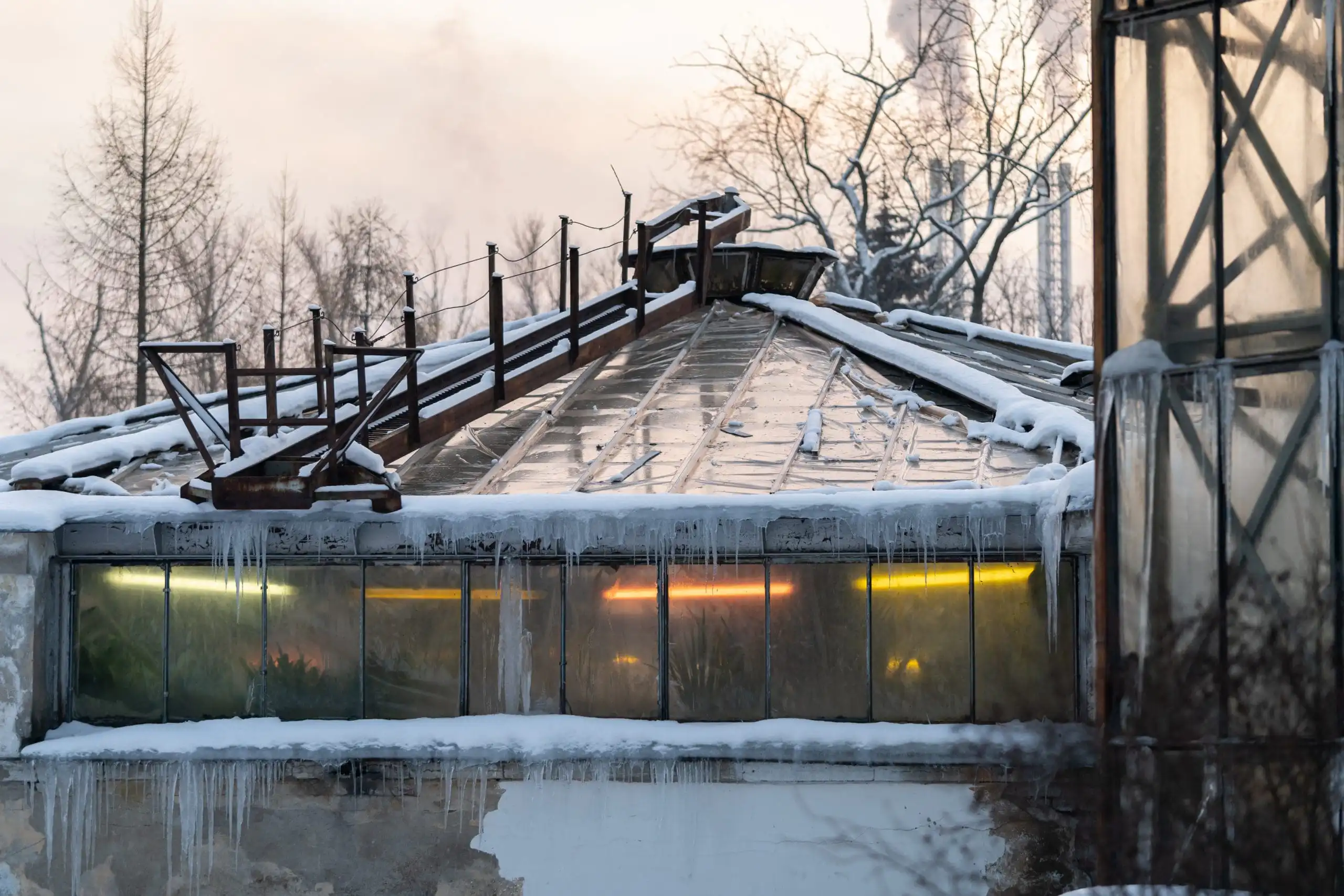
Quick answer: Conservatories overheat in summer and freeze in winter because their roof and glazing materials struggle to manage solar gain and heat loss. Polycarbonate and single-glazed roofs let heat build up fast under sun and escape just as quickly overnight. Add draughts, poor ventilation, and no proper insulation, and you get a room that’s uncomfortable most of the year — not a design flaw you have to live with, but a fixable problem.
If your conservatory turns into a greenhouse every June and a fridge every December, you’re not imagining it. This is one of the most common complaints from UK homeowners, and it usually comes down to the same handful of causes: the roof material, the glazing, and gaps you can’t always see.
The good news? You can pinpoint exactly what’s going wrong in your space, and every cause has a practical fix. This guide walks you through the symptoms, the reasons behind them, and what doing nothing actually costs you over time.
What Are the Symptoms of a Conservatory Temperature Problem?
Before fixing anything, it helps to confirm what you’re dealing with. Most homeowners recognise a few of these signs straight away.
In summer, you might notice:
- Unbearable heat that makes the room unusable by midday
- Furniture, flooring, or fabrics fading from constant sun exposure
- Glare that makes it hard to watch TV or work at a desk
- A noticeable temperature spike compared to the rest of the house
In winter, you might notice:
- A conservatory that never quite warms up, even with heating on
- Condensation on the inside of the glass or roof panels
- Cold draughts near the frames, doors, or roof edges
- Frost forming on the inside of windows during particularly cold mornings
Year-round, the space might feel:
- Only usable for a few months rather than all twelve
- Noisy during rain, thanks to a thin or uninsulated roof
- Disconnected from the rest of your home’s comfort levels
If several of these sound familiar, your conservatory isn’t behaving abnormally. It’s showing textbook signs of poor thermal performance.
What Causes a Conservatory to Overheat in Summer and Freeze in Winter?
Conservatories aren’t held to the same construction standards as the rest of your house. Under UK planning rules, conservatories are normally exempt from building regulations provided they’re separated from the house by external-quality doors or walls, have an independent heating system, and stay under 30 square metres on a single storey. That exemption is convenient for building one quickly, but it also means many conservatories were never required to meet the thermal efficiency standards that apply to the rest of your home.
Here’s what’s usually driving the temperature swings.
Your Roof Material Isn’t Managing Heat
Polycarbonate roofs are lightweight and affordable, which is why so many older conservatories have them. But polycarbonate offers poor insulation compared with glass or tiled alternatives, letting heat pour in during summer and escape rapidly in winter. Glass roofs perform better for natural light, though older, single-pane glass still allows significant heat transfer in both directions.
Your Glazing Is Working Against You
Energy-efficient glazing plays a bigger role than most homeowners expect. According to the Energy Saving Trust, modern double glazing with a low-emissivity coating reflects heat back into a room while still letting light through — reducing heat loss, draughts, cold spots, and condensation. Older or single-glazed conservatory windows lack this coating entirely, so they lose heat in winter and let in excessive solar gain during summer, which is where the sun’s warmth transmits directly through the glass into your room.
Draughts Are Quietly Wasting Your Heat
Gaps around frames, doors, and roof joints let cold air creep in and warm air escape. The Energy Saving Trust’s draught-proofing guidance explains that these uncontrolled gaps waste energy and reduce comfort, even though good ventilation still matters — you shouldn’t block trickle vents or seal off necessary airflow while addressing draughts elsewhere.
There’s Too Much Glazing and Not Enough Ventilation
The CIBSE TM59 overheating methodology identifies high proportions of glazing, excessive solar heat gains, and inadequate ventilation strategies as key drivers of overheating risk in homes. Conservatories, built almost entirely from glass and roofing panels, sit squarely in this category. Orientation matters too: a south-facing conservatory will absorb far more solar gain than one facing north.
Your Windows Were Never Designed for Your Climate
Window performance depends on more than the glass itself. Technical guidance on glazing explains how factors like coatings, orientation, and ventilation all affect thermal comfort and overheating risk (NHBC, Windows: Making It Clear). If your conservatory’s windows weren’t specified with your home’s orientation and local climate in mind, they’ll underperform regardless of how new they look.
What Does It Cost You to Ignore the Problem?
Leaving a poorly insulated conservatory as it is doesn’t just mean an uncomfortable room. It has knock-on effects across your home and budget.
- You lose usable space for months at a time. A room too hot for summer and too cold for winter might only be comfortable in spring and autumn — a huge waste of square footage you’re already paying to heat and maintain.
- Your energy bills climb. If your conservatory connects to your main heating system, that heat escapes through inefficient glazing and roofing, forcing your boiler to work harder.
- Your furniture and fittings degrade faster. UV exposure and temperature extremes fade fabrics, warp wood, and shorten the lifespan of anything left in the space.
- Your home’s resale appeal takes a hit. Buyers touring a stuffy or freezing conservatory during a viewing will notice, and it can affect how they value the rest of the property.
None of this is permanent. It’s simply what happens when a room’s original materials weren’t built to regulate temperature — and it’s entirely reversible with the right upgrade.
Should You Choose a Simple Fix or a Structural Upgrade?
Not every conservatory needs a full overhaul. The right fix depends on how severe your symptoms are and how long you plan to stay in your home.
Simple Fixes Worth Trying First
- Solar control film: Applied directly to existing glass, high-performance films can block a significant share of summer heat while keeping the glass clear.
- Blinds or shading: Roof and wall blinds reduce glare and cut solar gain during peak sun hours.
- Draught-proofing strips: Sealing gaps around doors and frames is a low-cost way to reduce heat loss without major building work.
- Better ventilation: Opening vents or upgrading to windows with trickle vents helps manage both heat and condensation.
These fixes are quick, affordable, and reversible — a sensible starting point if your conservatory’s problems are mild to moderate.
Structural Fixes for Long-Term Comfort
If your symptoms are severe or your roof and glazing are genuinely at the end of their life, a structural upgrade delivers a more lasting result.
- Roof replacement: Swapping a polycarbonate roof for an insulated tiled system, such as a SupaLite Tiled Roof System, adds a lightweight aluminium frame, humidity-proof insulation, and a waterproof membrane — creating a roof built to hold a comfortable temperature year-round rather than amplify the weather outside.
- Glazing upgrades: Replacing old single glazing with modern, low-E double glazing tackles heat loss and solar gain at the same time.
- Full conservatory replacement: For conservatories with multiple structural issues, specialists like The Little Conservatory Company offer bespoke rebuilds designed around your home’s specific orientation and layout.
Structural upgrades cost more upfront, but they solve the root cause rather than managing symptoms — and they typically pay off through lower energy bills and a room you can genuinely use all year.
When Should You Get a Professional Survey?
If you’ve tried simple fixes and the room still swings between too hot and too cold, it’s time to bring in a professional. A survey is also worth arranging if:
- You’re seeing condensation, structural wear, or sagging roof panels
- You’re planning to convert the conservatory into a permanent living space
- You want a clear, itemised cost estimate before committing to any structural work
- You’re unsure whether your existing frame can support a heavier insulated roof
A qualified surveyor will assess your roof, glazing, orientation, and ventilation together, rather than treating each as a separate issue. That gives you a realistic picture of what’s driving your specific temperature problems, and which fix will solve them for good.
Explore Your Conservatory Insulation Options
A conservatory that swings between too hot and too cold isn’t something you need to accept as permanent. Once you know whether the cause is your roof, your glazing, draughts, or a combination of the three, the path forward becomes far clearer.
Ready to see what a proper upgrade could look like for your space? Read our conservatory insulation options guide to compare solutions and find the right fit for your home.
Frequently Asked Questions
How do I stop my conservatory from getting too hot?
Start with solar control film or blinds to cut solar gain quickly and affordably. For a longer-term fix, replace a polycarbonate roof with an insulated tiled system, which manages heat far more effectively than the original material.
Why is my conservatory so cold even with the heating on?
Heat likely escapes through single glazing, an uninsulated roof, or draughty frames faster than your heating can replace it. Draught-proofing and upgraded glazing address this directly.
Do I need planning permission to fix my conservatory’s temperature problems?
Most conservatory upgrades, including roof and glazing replacements, don’t require planning permission if the structure stays within existing exemption rules. Always check with your local council if you’re altering the size or structure significantly.
How much does it cost to fix a conservatory’s insulation?
Costs vary depending on whether you choose a simple fix, like solar film or draught-proofing, or a structural upgrade, like a new roof or full glazing replacement. A professional survey will give you an accurate estimate for your specific space.
Is it worth replacing a polycarbonate roof?
If your conservatory is unusable for several months a year, yes. An insulated tiled roof system keeps temperatures far more stable, reduces noise during rain, and can increase your home’s resale appeal.