
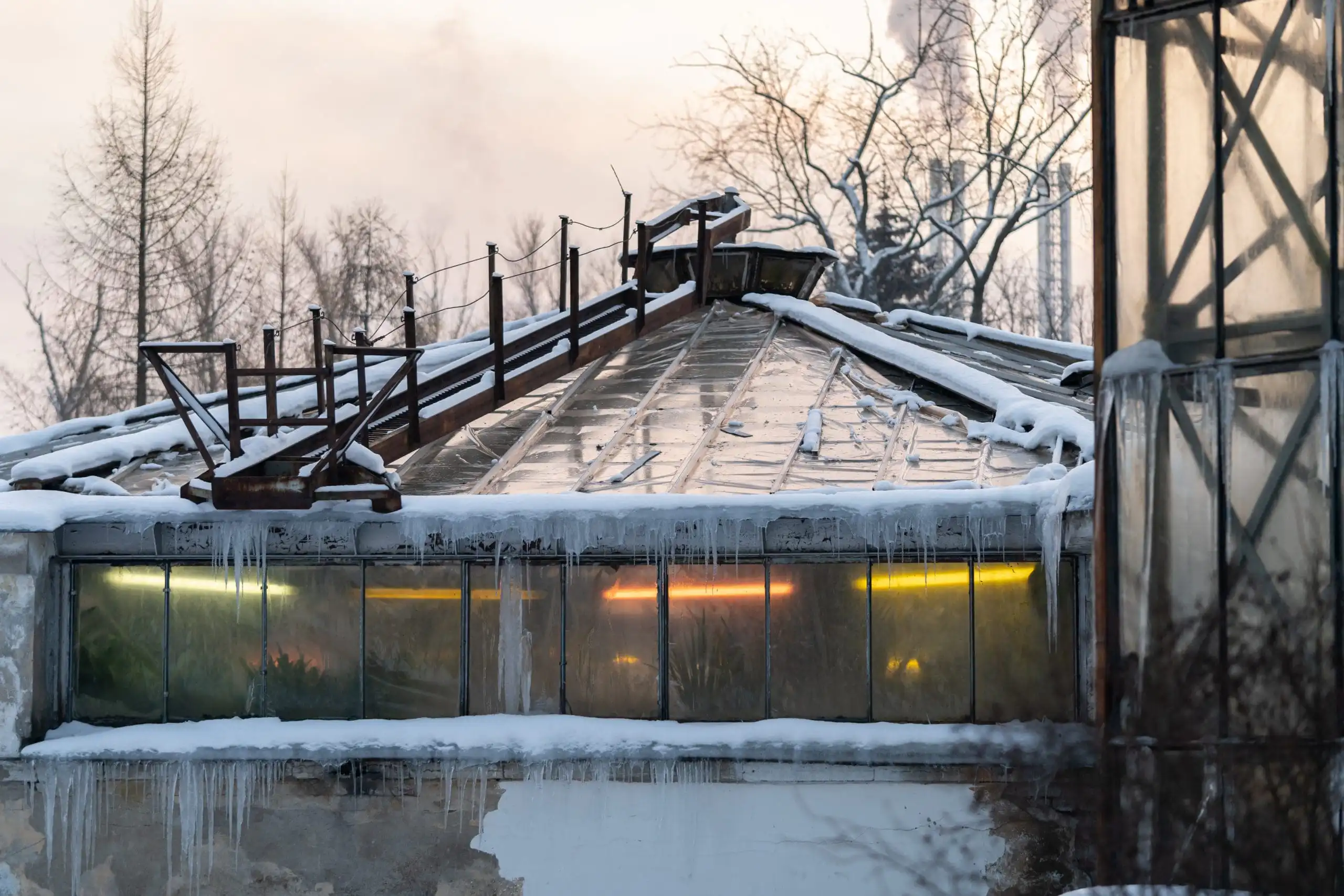
Quick answer: Conservatory roof insulation panels reduce heat loss in winter and block excess heat in summer, turning a room you can only use for a few months into a space you can enjoy all year. Multi-foil insulation, insulated roof panels and solid roof conversions each suit different budgets and conservatory types – the right choice depends on how you use the space and how much disruption you’re prepared to accept.
If your conservatory sits empty for most of the year, you’re not alone. Many UK homeowners find their conservatory too cold to sit in during winter and too hot to bear in summer, which leaves it usable for only a handful of months. That’s a lot of unused square footage attached to your home.
Conservatory roof insulation changes that equation. By fitting insulated panels, multi-foil layers, or converting to a solid roof, you can keep your conservatory at a comfortable temperature regardless of the season outside. This guide walks through what life is like before insulation, how the different options work, what you can expect during installation, and whether the investment makes sense for your home.
What Is It Like Before Conservatory Insulation?
Most uninsulated conservatories share the same handful of frustrations. Understanding them helps clarify exactly what insulation fixes – and why so many homeowners eventually make the switch.
Too Hot in Summer, Too Cold in Winter
A standard conservatory roof, whether glass or polycarbonate, does very little to regulate temperature. In summer, direct sunlight turns the room into a greenhouse. In winter, the same roof offers almost no resistance to heat escaping, leaving the room cold even with the heating on. The result is a room that’s only genuinely comfortable during spring and autumn – leaving it unusable for six to eight months of the year for many households.
High Heating Costs for a Room You Rarely Use
Heating an uninsulated conservatory is expensive precisely because the heat doesn’t stay put. According to research by the Building Research Establishment (BRE), 77% of conservatories in the UK are heated, and those that are heated used an average of 18,200 kWh of energy annually compared with 13,400 kWh in homes without a heated conservatory (BRE, 2011). This data is now over a decade old and reflects a correlation rather than a direct causal measurement, but it illustrates a pattern that still holds true today: heating a poorly insulated glass-roofed space is inefficient, and the cost often outweighs how much use the room actually gets.
Condensation, Damp and Mould
Temperature swings encourage condensation. When warm, moist indoor air meets a cold, uninsulated roof, water droplets form on the glass or polycarbonate surface. Left unchecked, this moisture can lead to damp patches, mould growth, and musty smells – particularly around window frames and in corners where airflow is poor.
Rain Noise, UV Fading and a Closed-Off Room
A single-glazed or polycarbonate roof amplifies rain noise, which can make the room unusable for relaxing, working, or sleeping nearby during heavy downpours. Strong summer sun also fades furniture, flooring and soft furnishings over time. Combined, these issues often mean the conservatory door stays shut, and the room becomes a storage space rather than a living space.
How Conservatory Roof Insulation Works
Conservatory roof insulation addresses these problems by reducing the rate at which heat, noise and UV light pass through the roof structure.
What U-Values Mean for Your Conservatory
A U-value measures the rate of heat transfer through a building element, such as a roof assembly – not simply how well a single material conducts heat on its own. The lower the U-value, the slower heat passes through the structure, which means less heat escapes in winter and less heat enters in summer. When comparing insulation options, ask for the U-value of the complete roof system, not just the panel or material itself, since the frame, seals and existing structure all affect the final figure.
Your Options: Multi-Foil, Insulated Roof Panels or a Solid Roof
There are three main routes to a warmer, cooler, quieter conservatory:
- Multi-foil insulation: Layers of reflective foil and insulating material are fitted beneath the existing roof panels or glazing bars. This is typically the lowest-cost option and can be fitted without removing the roof structure, though performance varies depending on the thickness and quality of the foil used.
- Insulated roof panels: Lightweight panels replace the existing glass or polycarbonate roof sections. These combine a solid outer layer with an insulating core, giving a significant improvement in temperature control, noise reduction and UV protection while often retaining the option of built-in rooflights to preserve natural light.
- Solid roof conversion: The entire roof is replaced with a tiled or slate-effect structure similar to the rest of the house. This option offers the strongest thermal performance and the closest visual match to the main house, but represents the biggest structural change and the highest cost.
Which option suits you depends on your budget, how much natural light you want to retain, and how closely you want the conservatory to resemble the rest of your home.
How Conservatory Roof Insulation Panels Handle Summer Heat and Winter Heat Loss
Insulated roof panels work by slowing the transfer of heat through the roof structure in both directions. In winter, the insulating core reduces the rate at which indoor heat escapes through the roof. In summer, the same core reduces the rate at which external heat reaches the interior. Because panels also replace the lightweight, often poorly sealed roof sections typical of older conservatories, they reduce draughts and gaps that contribute to heat loss separately from the insulation itself.
The Benefits of Conservatory Insulation
Once the roof is upgraded, the improvements tend to show up in several connected ways.
Steadier Temperatures All Year Round
Instead of a room that swings between too hot and too cold, an insulated conservatory holds a more stable temperature throughout the day and across seasons. This is the change most homeowners notice first, often within days of installation.
Lower Energy Use and Heating Bills
Because less heat escapes through the roof, your heating system doesn’t need to work as hard to maintain a comfortable temperature in the room. Over time, this can reduce the energy used to heat the conservatory. Savings build up gradually as the room needs less heating input across the colder months, rather than appearing as an immediate drop on your very next bill.
A Quieter Room When It Rains
The added layers in insulated panels and solid roofs reduce how much rain noise travels into the room. While no roof eliminates sound entirely, many homeowners report a noticeably calmer space during wet weather, making the conservatory usable for conversation, work calls, or reading even during a downpour.
Less Condensation and a Healthier Space
By reducing the temperature difference between the indoor air and the roof surface, insulation lowers the likelihood of condensation forming. Less condensation means less risk of damp and mould developing over time, contributing to a healthier indoor environment.
A Room That Feels Like Part of Your Home
An insulated conservatory stops being a seasonal add-on and starts functioning as genuine living space. Depending on your household’s needs, that might mean:
- A home office that stays comfortable through long working days, regardless of the weather outside.
- A dining space for family meals and hosting guests, usable year-round rather than just in summer.
- A reading or relaxation room that’s quiet, warm, and free from glare or cold spots.
Added Appeal When You Sell
A conservatory that functions as usable living space all year is generally more appealing to prospective buyers than one that’s clearly only usable for part of the year. While insulation doesn’t guarantee a specific increase in sale price, presenting a well-maintained, comfortable, functional room rather than an empty glass box can strengthen a property’s overall appeal during viewings.
What to Expect When Your Conservatory Roof Is Insulated
Before work begins, there are a couple of practical considerations worth understanding.
Structural Checks and Roof Weight
Insulated panels and solid roof conversions are generally heavier than the glass or polycarbonate they replace. A qualified installer should assess whether your existing frame can support the new roof structure safely before any work begins. This check protects both the longevity of the installation and the structural integrity of your conservatory.
Will You Lose Natural Light?
This is one of the most common concerns homeowners raise, and it’s a fair one. Many insulated panel systems include the option of integrated rooflights or skylights, which allow you to retain a meaningful amount of natural light while still gaining the insulation benefits of a solid roof section. If maximising daylight is a priority, ask your installer how many rooflights can be incorporated into your specific roof design.
Building Regulations and Planning Permission
Understanding the regulatory side of conservatory insulation helps you plan with confidence.
When Conservatories Are Exempt
Conservatories can be exempt from Building Regulations when they meet all of the following criteria:
- The conservatory is built at ground level.
- The floor area is less than 30 square metres.
- The conservatory is thermally separated from the main house (for example, via external-quality doors between the two spaces).
- The main heating system of the house is not extended into the conservatory.
If your conservatory meets all four conditions, routine insulation work such as fitting multi-foil or insulated panels within the existing roof structure typically does not require separate Building Regulations approval. However, rules can vary depending on your specific property and local authority, so it’s worth confirming your position with a qualified tradesperson before proceeding.
When Roof Work Needs Building Regulations Approval
Converting a conservatory roof from a transparent structure (glass or polycarbonate) to a solid, tiled roof is treated differently and can trigger a Building Regulations requirement, since this changes the thermal performance and structure of the room more substantially. This is a detail worth being aware of at the research stage, but it’s best addressed directly with a specialist once you’ve decided a solid roof conversion is the right option for you – they can confirm exactly what applies to your property.
Documents You Should Receive After Installation
After any insulation work that falls under Building Regulations, you should receive formal documentation confirming compliance, such as a completion certificate. Keep this paperwork safe, as it’s often requested by solicitors and buyers when you come to sell your home.
Is Conservatory Insulation Worth It?
For most homeowners, the answer comes down to how much use you’ll get from the room and how long you plan to stay in the property.
How Much Does Conservatory Roof Insulation Cost?
Costs vary depending on the size of your conservatory, the option you choose, and the complexity of the installation. Multi-foil insulation tends to sit at the lower end of the price range, insulated roof panels represent a mid-range investment, and full solid roof conversions cost the most due to the scale of structural work involved. For an accurate figure, request a detailed quote based on your specific conservatory’s dimensions and condition.
Insulated Panels or Full Roof Replacement: Which Suits You?
- Choose multi-foil insulation if you want a lower-cost improvement and are happy to retain the existing roof structure with added internal insulation.
- Choose insulated roof panels if you want a stronger improvement in temperature control and noise reduction while still retaining natural light through integrated rooflights.
- Choose a solid roof conversion if you want the conservatory to look and perform as closely as possible to the rest of your house, and you’re prepared for a larger-scale project.
Conservatory Insulation FAQs
How much can I save on energy bills by insulating my conservatory roof?
Savings depend on your conservatory’s size, how often you heat it, and which insulation option you choose. Insulation reduces the rate of heat loss through the roof, which generally lowers the energy needed to maintain a comfortable temperature. These savings build up over the colder months rather than showing as an immediate change on your next bill.
Do I need planning permission to insulate my conservatory roof?
Standard conservatories that are ground level, under 30 square metres, thermally separated from the main house, and not connected to the main heating system are generally exempt from Building Regulations for routine insulation work. Rules can differ by property and local authority, so a qualified tradesperson can confirm the correct planning position for your particular property.
Will roof insulation panels make my conservatory darker?
Not necessarily. Many insulated panel systems include integrated rooflights, which allow you to retain a meaningful amount of natural light alongside the insulation benefits. Ask your installer how many rooflights can be fitted into your specific roof design.
Will insulation stop condensation in my conservatory?
Insulation reduces the temperature difference between the indoor air and the roof surface, which lowers the likelihood of condensation forming. It doesn’t eliminate moisture in the air entirely, so good ventilation remains important alongside insulation.
Does conservatory roof insulation affect the structure?
Insulated panels and solid roofs are generally heavier than standard glass or polycarbonate roofing, so your existing frame needs to be capable of supporting the new structure. A qualified installer will assess this before work begins to confirm your conservatory can safely take the new roof.
What warranty should I expect?
Reputable installers offer a warranty covering both materials and workmanship. Ask for the specific terms in writing before committing, including how long the warranty lasts and what it covers.
Is conservatory insulation exempt from Building Regulations?
It can be, provided your conservatory meets all four exemption criteria: it’s built at ground level, has a floor area under 30 square metres, is thermally separated from the main house, and doesn’t have the main heating system extended into it. If any of these don’t apply to your conservatory, it’s worth checking your specific requirements with a qualified tradesperson.
Transform Your Conservatory Into a Year-Round Space
An insulated conservatory stops being a room you avoid for most of the year and becomes a genuine extension of your home – somewhere to work, host, relax or simply enjoy, whatever the season. Whether multi-foil insulation, insulated roof panels or a full solid roof conversion suits you best depends on your budget, your conservatory, and how you want to use the space.
Explore the CosyPanels insulation range to find the right option for your home, and read our case studies to see how other homeowners have transformed their conservatories into spaces they actually use.
Methodology and editorial process: This article was researched and written using publicly available building industry data, including figures published by the Building Research Establishment (BRE), alongside established guidance on UK Building Regulations exemptions for conservatories. Claims relating to energy savings, structural requirements and regulatory exemptions have been kept general where individual property circumstances affect the outcome, and readers are advised to confirm specifics with a qualified tradesperson.