
Choosing the right material for your conservatory roof conversion isn’t always straightforward. You’ll likely come across two very different products during your research
0800 058 4150
Choosing the right material for your conservatory roof conversion isn’t always straightforward. You’ll likely come across two very different products during your research
Getting started is simpler than most homeowners expect. You submit a short form or make a call, sharing basic details like your conservatory’s size, roof type, and current pain points
A conservatory without proper insulation struggles to hold a stable temperature. In summer, an uninsulated glass or polycarbonate roof lets solar heat pour in unchecked.
Cold in winter, stifling in summer — an uninsulated conservatory rarely gets used the way homeowners hoped it would. If yours has become a glorified storage room rather than the extra living space you pictured, you’re not alone, and you have options.
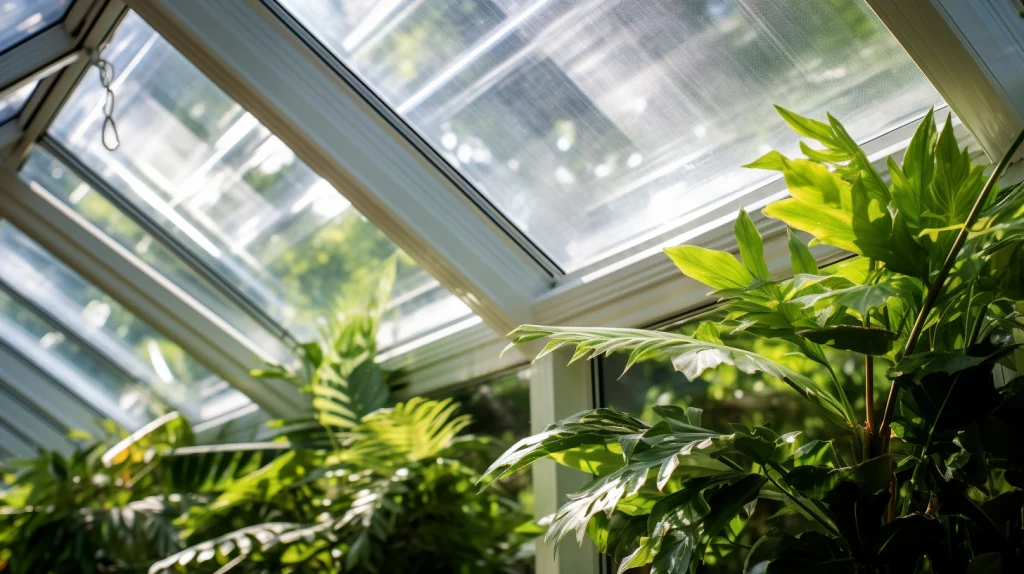
Your conservatory feels unusable half the year. Or maybe you’ve outgrown your current floor plan and need to decide whether to insulate, build a garden room, or commit to a full extension.
If your conservatory sits empty for half the year, you’ve probably wondered whether the roof or the windows are to blame. It’s a fair question, and it’s one that trips up plenty of homeowners before they commit to an upgrade.
Your conservatory looked perfect in the brochure. In practice, it bakes in July and sits unused from November to March. You’re not alone — temperature control is the single most common complaint among UK conservatory owners, and two solutions keep coming up: thermal blinds and roof insulation.
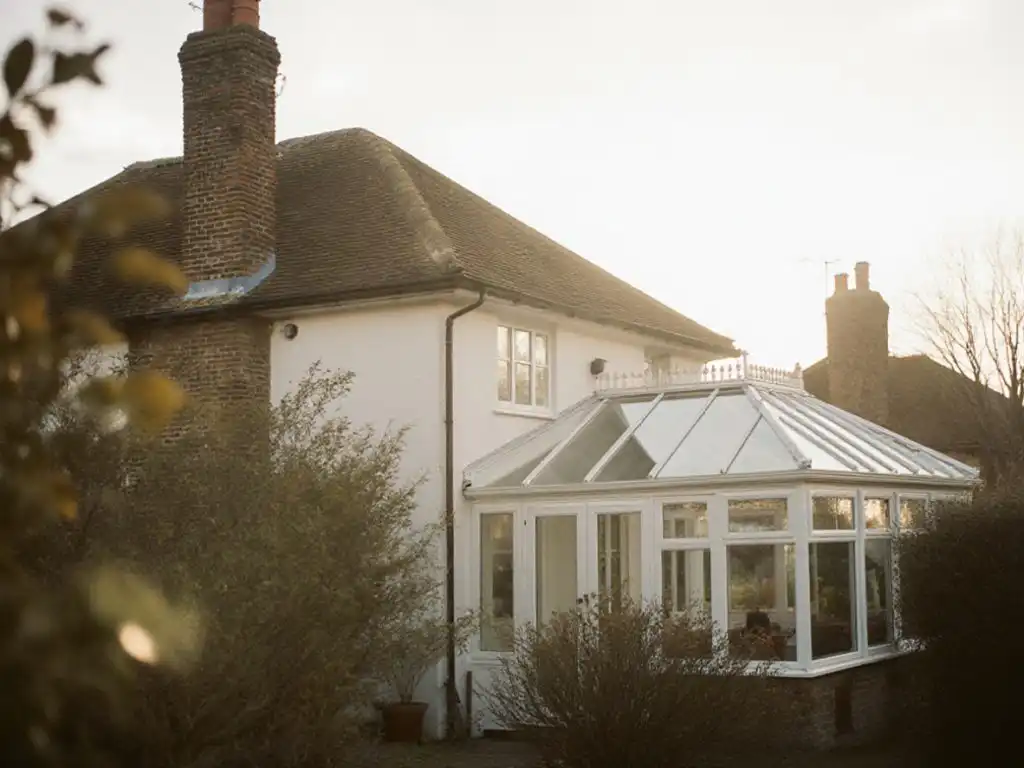
Your conservatory probably spends more time as a storage room than a living space. In the UK, that’s a familiar story. Too hot to sit in during July. Too cold to bear come November. The rest of the year?
Your conservatory should be one of your favourite rooms. The problem is, for many UK homeowners, it’s not — because it’s freezing in winter, sweltering in summer, and loud every time it rains.
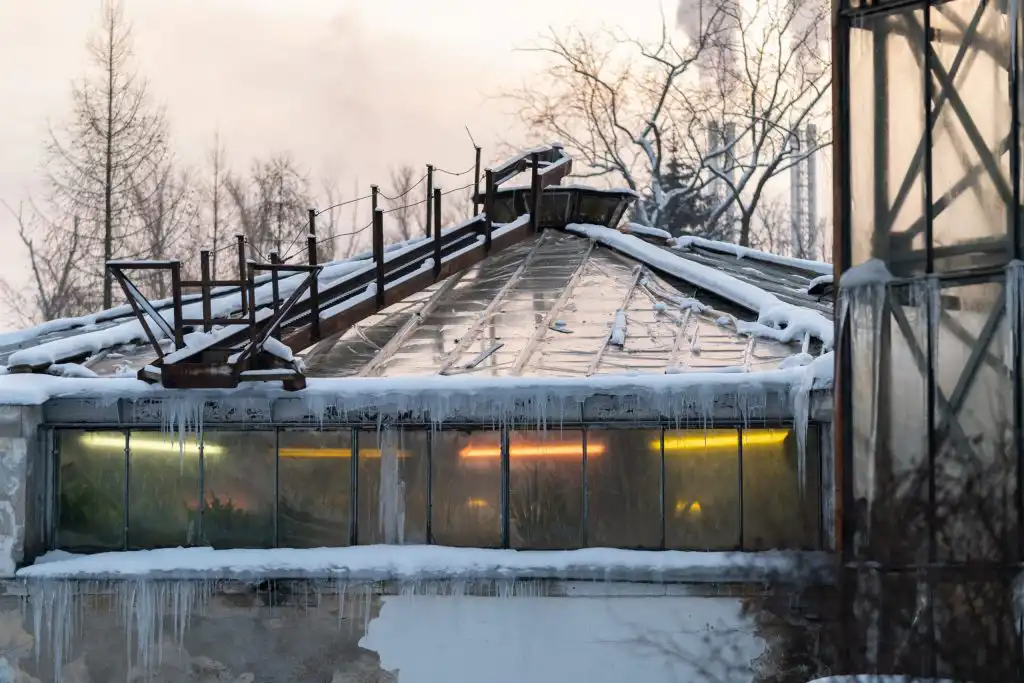
Most conservatories are too hot in summer and too cold in winter because the roof material — usually polycarbonate — has very poor thermal performance. Solar gain traps heat in summer, while inadequate insulation lets warmth escape in winter.
You should consider changing your conservatory roof if you notice persistent leaks, extreme temperature swings, yellowing or discoloured panels, excessive rain noise, rising energy bills, visible frame damage, interior condensation, structural sagging, or a roof that’s over 15–20 years old. Any three or more of these signs together usually means repair won’t be enough.

Yes, a conservatory can be used all year round — but most older models need upgrades first. The key is tackling temperature extremes through roof insulation or replacement, improved glazing, effective heating, and cooling solutions. With the right combination of changes, your conservatory can become a fully functioning room your family uses every day.