
Choosing the right material for your conservatory roof conversion isn’t always straightforward. You’ll likely come across two very different products during your research
0800 058 4150
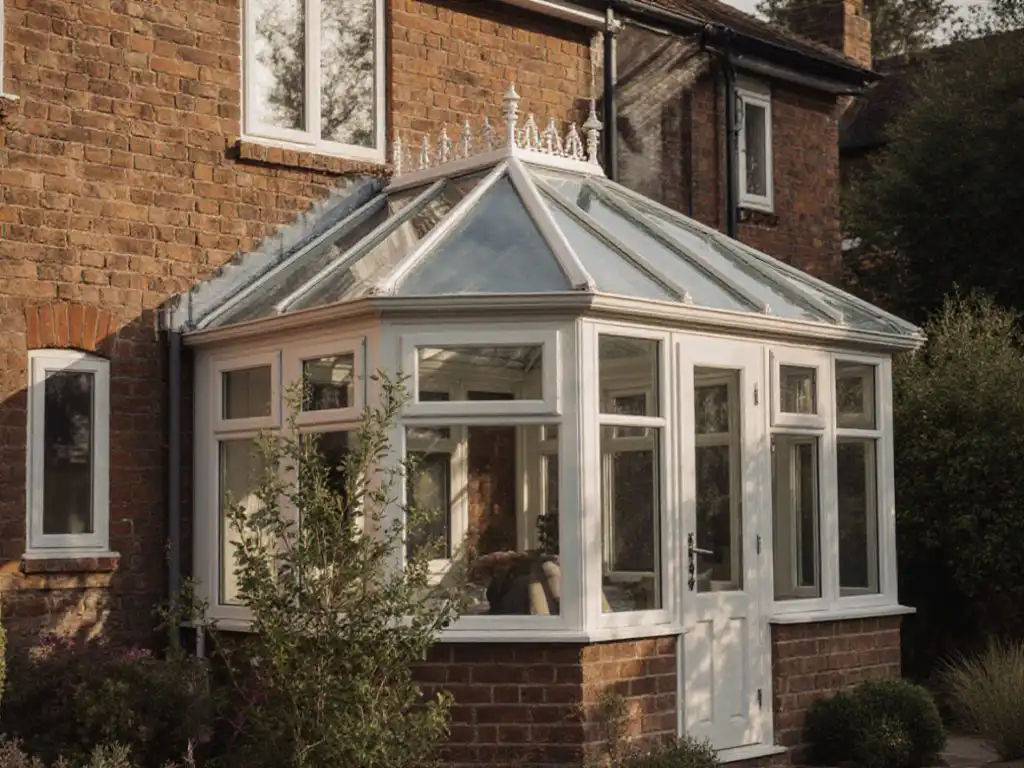
Choosing the right material for your conservatory roof conversion isn’t always straightforward. You’ll likely come across two very different products during your research
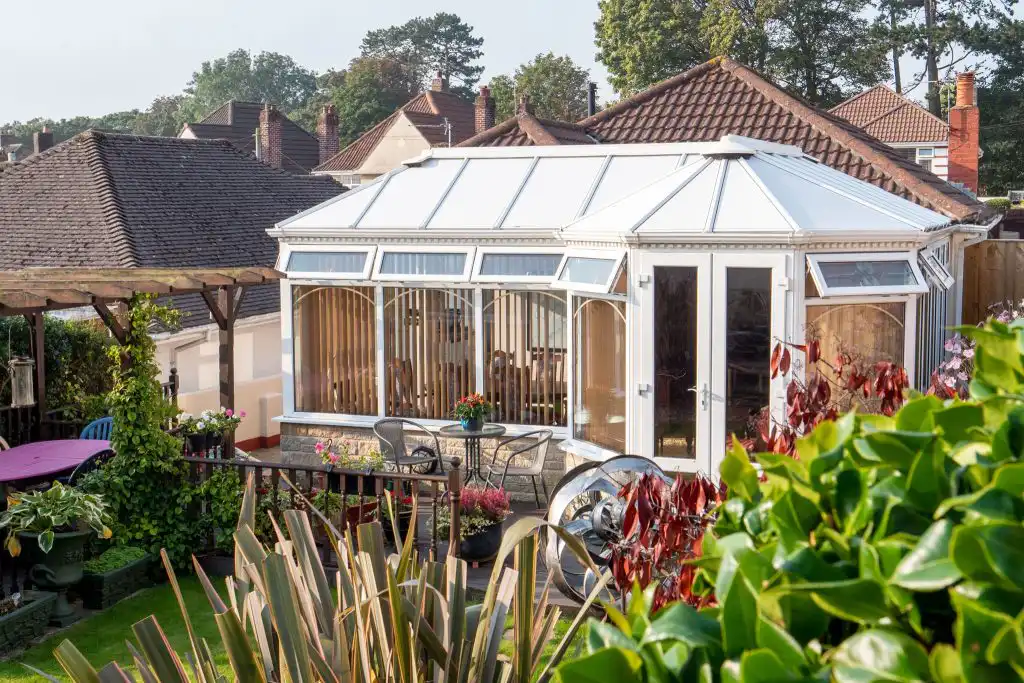
A conservatory without proper insulation struggles to hold a stable temperature. In summer, an uninsulated glass or polycarbonate roof lets solar heat pour in unchecked.
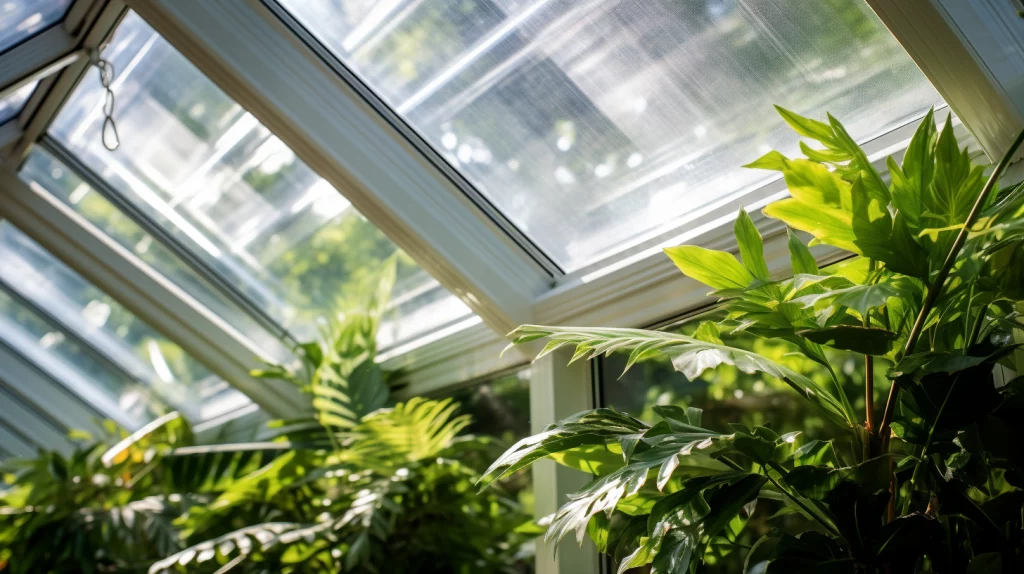
Your conservatory feels unusable half the year. Or maybe you’ve outgrown your current floor plan and need to decide whether to insulate, build a garden room, or commit to a full extension.
If your conservatory sits empty for half the year, you’ve probably wondered whether the roof or the windows are to blame. It’s a fair question, and it’s one that trips up plenty of homeowners before they commit to an upgrade.
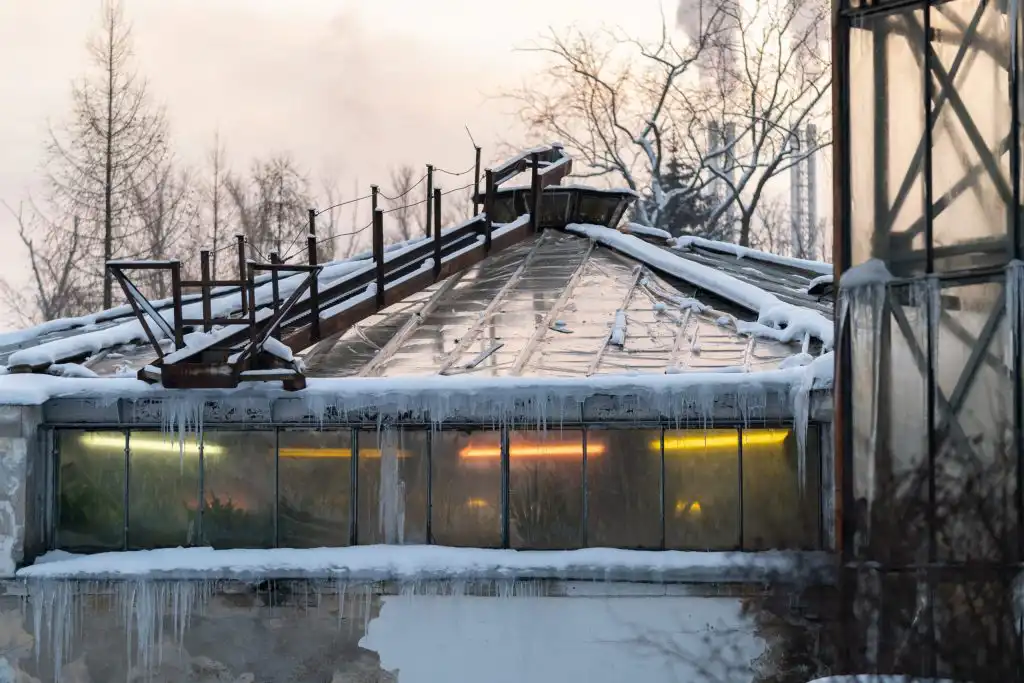
Most conservatories are too hot in summer and too cold in winter because the roof material — usually polycarbonate — has very poor thermal performance. Solar gain traps heat in summer, while inadequate insulation lets warmth escape in winter.
You should consider changing your conservatory roof if you notice persistent leaks, extreme temperature swings, yellowing or discoloured panels, excessive rain noise, rising energy bills, visible frame damage, interior condensation, structural sagging, or a roof that’s over 15–20 years old. Any three or more of these signs together usually means repair won’t be enough.
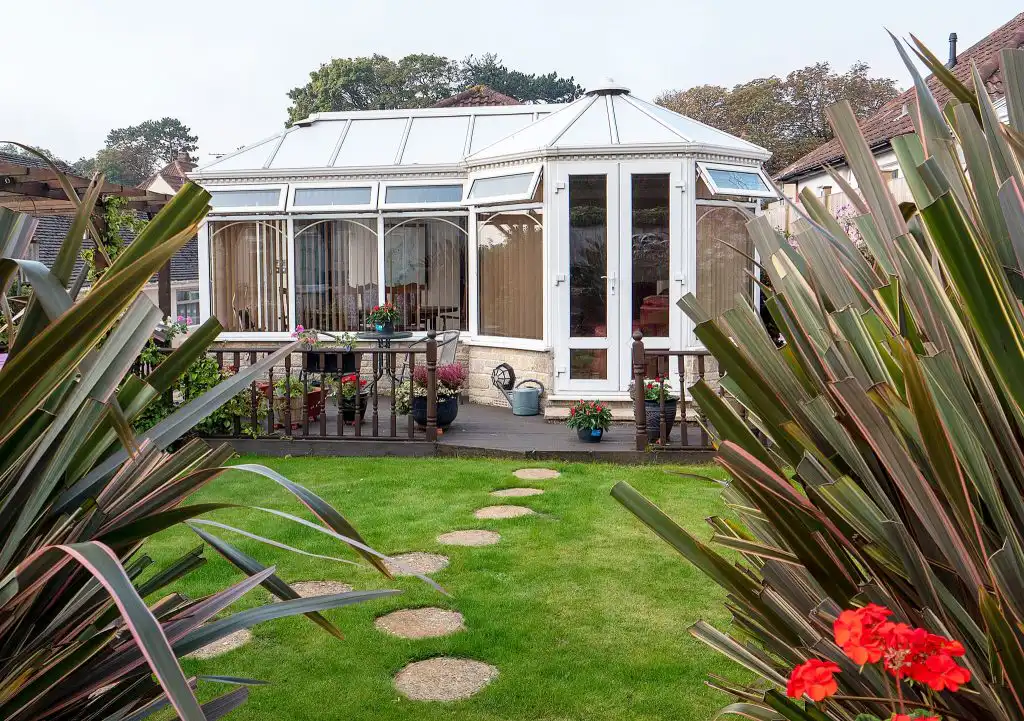
Conservatory insulation quotes are full of technical jargon that can leave homeowners confused — or worse, misled. This glossary explains 30 key terms in plain English, from U-values and PIR boards to Building Regulations and vapour barriers, so you can walk into any sales conversation with confidence.
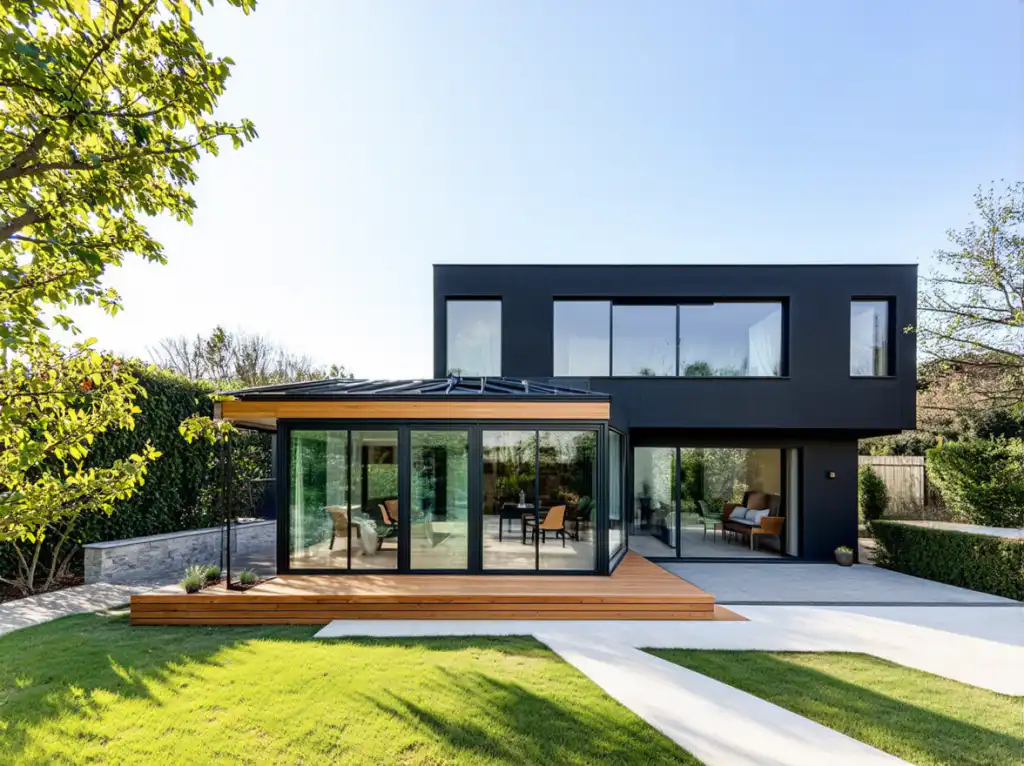
A professional conservatory insulation survey covers six key areas: roof condition, structural integrity, condensation risk, glazing performance, suitability for building regulations, and overall thermal efficiency.
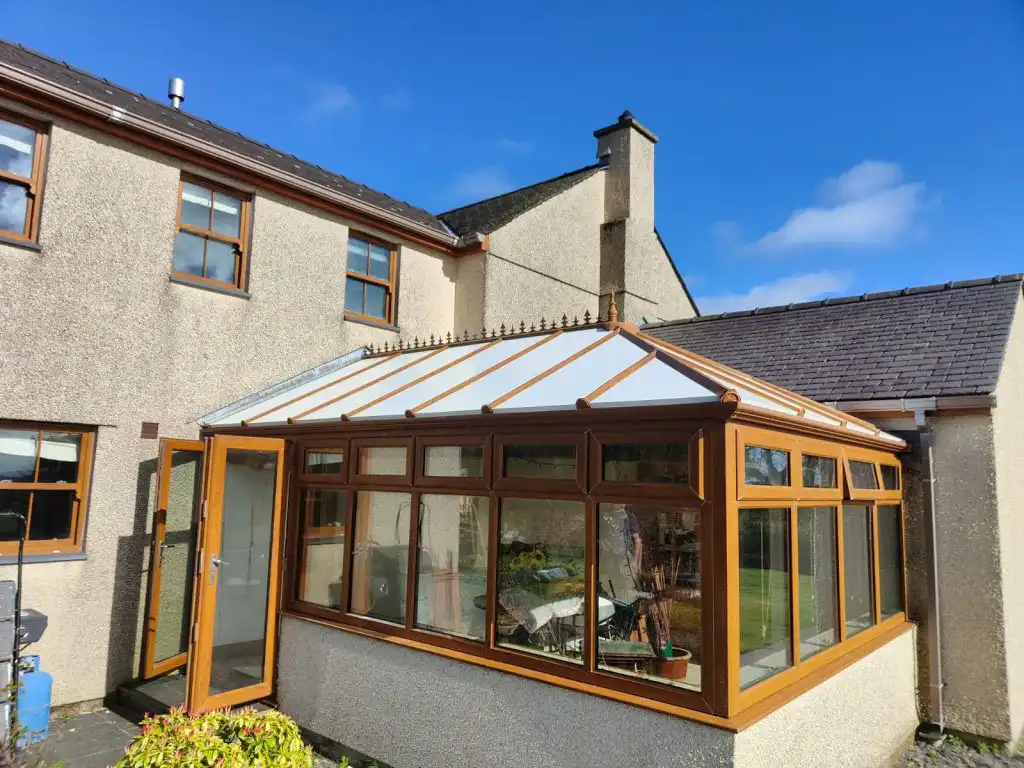
Conservatory roof leaks most commonly occur at flashing joints, slipped panels, blocked gutters, and worn sealants. Professional installers prevent these problems

The article provides a comprehensive 25-question checklist for homeowners preparing to get conservatory roof insulation quotes, emphasizing the importance of comparing detailed answers on materials

This guide covers the best thermal blinds for conservatories, what each type does well, and the criteria that should shape your buying decision.
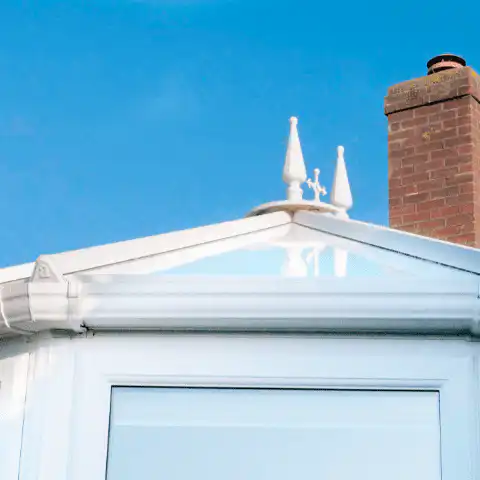
The right conservatory upgrade depends on how you want to use the space, your budget, and the condition of your existing structure.