
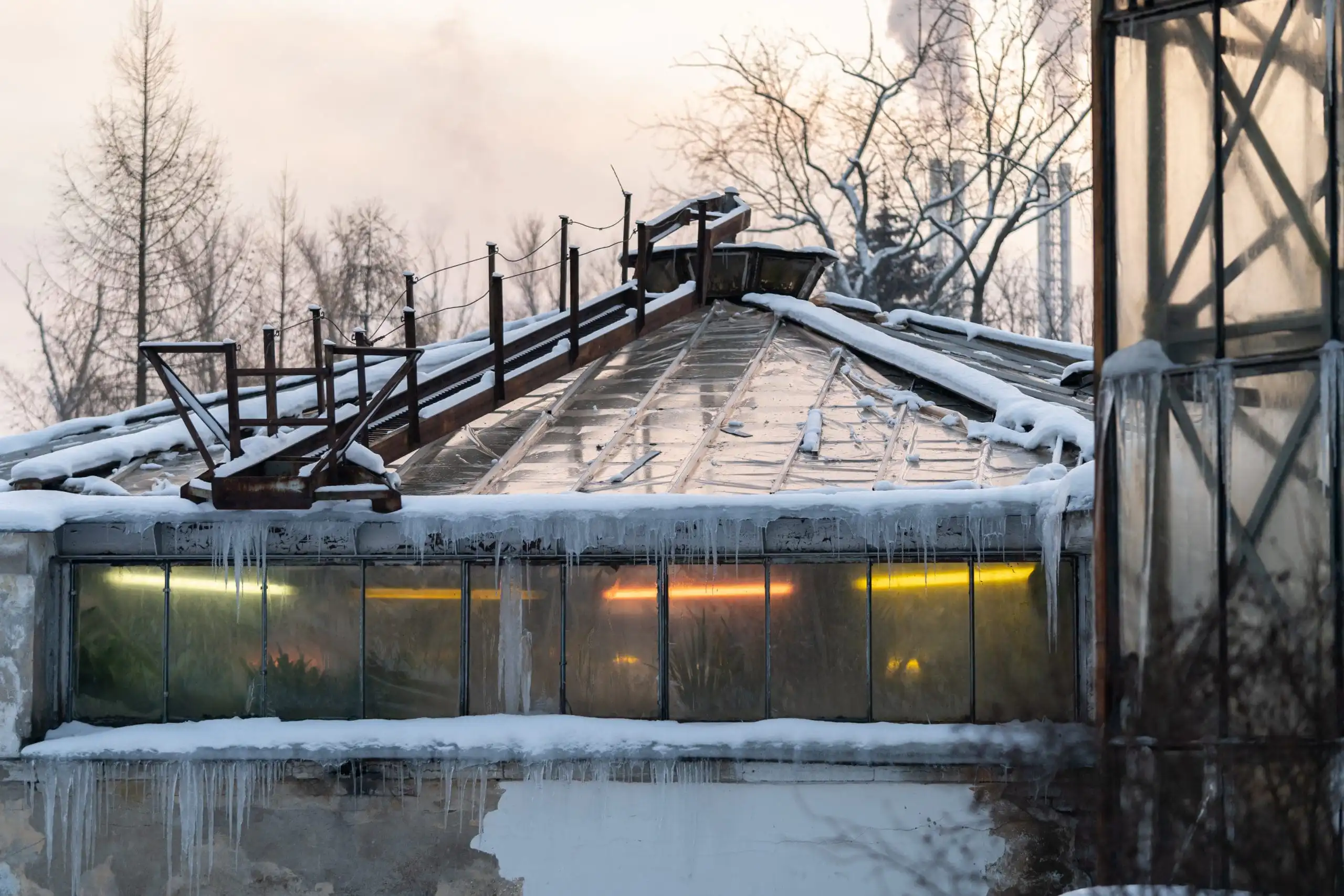
TL;DR: Yes, you can use your conservatory all year round, but most older conservatories need upgrades first. Polycarbonate or single-pane roofs let heat escape in winter and build up in summer. Upgrading the roof, glazing and insulation fixes both problems – and costs far less than building a full extension.
Sweltering in July. Freezing in January. If that sounds like your conservatory, you’re not alone. Poorly insulated conservatories lose heat in winter and trap it in summer, which makes them expensive to heat and uncomfortable for much of the year.
Most UK conservatories were built to older standards, with polycarbonate or single-pane glass roofs that offer almost no insulation. The result is a room you can only comfortably use for a few months each year.
The good news: this is fixable, and upgrading your existing conservatory is far more affordable than building a full extension. This guide walks you through every upgrade in the right order, from the roof down to the finishing touches, so you can turn your conservatory into a room you actually use.
What Could Your Conservatory Become?
Once your conservatory holds a comfortable temperature, it can become almost any room you need:
- A home office – a quiet, naturally lit space away from the rest of the house
- A dining room – ideal for family meals or hosting guests
- A playroom – extra space for children without losing your living room
- A garden room or reading retreat – a calm spot to unwind, surrounded by the view outside
- A gym or yoga room – a dedicated space for exercise, used whatever the weather
Each of these uses depends on one thing: getting the temperature right.
Where to Start: The Right Order for Your Upgrades
You don’t need to do everything at once. Tackling your upgrades in the right order means every later step works harder, and you can stop whenever your budget allows:
- Roof – the single biggest factor in year-round comfort
- Glazing – reduces heat loss and glare through the windows
- Draught-proofing and insulation – stops warm air escaping around frames, doors and floors
- Heating – keeps the space warm efficiently once it holds heat
- Cooling and shading – prevents overheating once the room retains warmth
- Finishing touches – soft furnishings that add the final layer of comfort
Upgrade Your Conservatory Roof First
Why Polycarbonate and Glass Roofs Struggle
A polycarbonate or thin glass roof offers almost no insulation. Heat pours in during summer and bleeds straight back out in winter, leaving your conservatory too hot or too cold for most of the year.
Insulated Conservatory Roof Panels
Insulated roof panels replace the glass or polycarbonate panes in your existing roof frame and are one of the most effective upgrades available. They:
- Keep your conservatory warmer in winter and cooler in summer
- Reduce the drumming noise of rain on the roof
- Are lightweight, so in many cases they fit your existing frame without structural changes
CosyPanels® have a high-density XPS insulation core between rigid PVC outer layers, with up to 50mm of insulation. They are fitted from one day, and prices start from £3,146 including VAT. See what to expect before and after fitting insulated roof panels.
Multi-Foil Conservatory Roof Insulation: A Lower-Cost Option
If a roof upgrade isn’t in your budget yet, multi-foil insulation is worth considering. It fits beneath your existing roof and reduces heat loss at a lower cost. It won’t match the performance of insulated panels or a solid roof, but it’s an improvement while you plan for a bigger upgrade.
Do You Need Building Regulations Approval?
In England, a standard conservatory is usually exempt from building regulations if it meets all of the following conditions:
- It’s built at ground level
- The floor area doesn’t exceed 30 square metres
- The glazing complies with the safety glazing requirements
- The wall, door or window separating it from your home is retained or replaced to the required standard
- Your home’s heating system isn’t extended into the conservatory
Replacing a glass or polycarbonate roof with a solid or tiled roof usually requires building regulations approval. For insulated roof panels, whether approval is needed depends on your conservatory, and we confirm this at your survey.
Scotland, Wales and Northern Ireland each have their own building regulations, so check the rules that apply where you live before starting any work.
Improve Your Conservatory Glazing
Double Glazing
High-performance double glazing with Low-E glass and argon gas is the most cost-effective choice for most UK conservatories. It significantly reduces heat loss compared with single glazing, without the added expense of a triple-glazed unit, which isn’t usually necessary for a standard conservatory.
Low-E Glass vs Solar-Control Glass
Low-E coatings reflect warmth back into the room, keeping heat where you want it during colder months. Solar-control glass works differently, reducing the amount of solar heat that enters the room in the first place.
Which Glass Is Right for Your Conservatory?
- Choose Low-E glass if your priority is reducing winter heat loss
- Choose solar-control glass if your conservatory faces south or west and overheats in summer
- Combine both if your conservatory needs help with heat loss and overheating
Draught-Proof and Insulate to Stop Heat Escaping
Heating a draughty room is expensive and ineffective, so this step comes before you invest in any heating system.
Seal Gaps Around Frames and Doors
Simple draught-proofing methods include:
- Window draught strips around frames
- Silicone sealant for small gaps and cracks
- Door brush strips along the bottom of external doors
Keep Enough Ventilation to Prevent Condensation
Sealing every gap sounds appealing, but your conservatory still needs some airflow. Completely blocking ventilation can lead to condensation building up on the inside of your windows, so keep trickle vents or a small gap for airflow.
Insulate Your Conservatory Floor
Don’t overlook the floor. Adding insulation beneath your conservatory flooring reduces heat loss from below.
Heat Your Conservatory Efficiently in Winter
Heating works far better once your roof and glazing hold onto that warmth. Aim for a comfortable 18–21°C, with individual room controls to avoid wasting energy heating a space you’re not using.
Electric Underfloor Heating
Electric underfloor heating spreads warmth evenly across the room without taking up wall space, making it a popular choice for conservatories.
Electric Panel Heaters and Radiators
Electric panel heaters and radiators are often easier to fit in smaller conservatories. Many come with built-in thermostats and programmers, so you can set the room to warm up before you need it.
Extending Your Central Heating
Connecting your conservatory to your home’s existing central heating system, including wet underfloor heating, is possible, but it is likely to remove your building regulations exemption. Check with a qualified installer before committing.
Log Burners and Wood-Burning Stoves
For larger conservatories, a log burner or wood-burning stove can add real warmth and atmosphere. This requires proper flue installation, so confirm the flue, safety and regulatory requirements with a qualified installer before you commit.
Use Independent Thermostatic Controls
Whichever heating system you choose, independent thermostatic controls let you heat your conservatory only when you’re using it, keeping your energy bills down.
Keep Your Conservatory Cool in Summer
Overheating is just as common a complaint as cold, especially for south- and west-facing conservatories. The key factors are solar heat gain, orientation, shading and ventilation – all worth considering as you plan your cooling upgrades.
Roof Vents, Trickle Vents and Ceiling Fans
Roof vents, trickle vents and small ceiling fans all help hot air escape before it builds up.
Use Cross-Ventilation
Opening windows or doors on opposite sides of the conservatory creates a through-breeze that clears hot air far more effectively than a single open window.
Thermal Blinds, External Blinds and Awnings
- Thermal blinds block glare and add a layer of insulation; honeycomb or cellular designs trap air for extra effect
- External blinds and awnings are more effective than internal blinds for south-facing rooms, as they block heat before it reaches the glass
For a comparison of roof blinds with a permanent solution, see roof blinds vs insulated roof panels.
Air Conditioning: Portable vs Wall-Mounted
- Portable units can be stored away when you’re not using them, which suits conservatories used seasonally
- Wall-mounted units are more efficient than portable alternatives for regular use
Treat air conditioning as a backup, not a first resort – an insulated roof, shading and ventilation should do most of the work.
Budget-Friendly Ways to Make Your Conservatory More Comfortable
These improvements stack. You don’t need to invest thousands straight away to feel a difference.
Start With Draught-Proofing and Thermal Blinds
These are the cheapest, fastest wins, and they make every later upgrade more effective.
Rugs, Curtains and Soft Furnishings
Thick curtains, rugs and cushions all add a layer of comfort and help retain warmth, particularly on cold flooring or large expanses of glass.
Portable Heaters With Thermostats
A thermostatically controlled portable heater gives you flexible, affordable warmth without committing to a full heating system.
Try Multi-Foil Before a Roof Upgrade
If you’re not ready for a roof upgrade, multi-foil insulation (covered in the roof section above) is a lower-cost way to feel some benefit sooner.
Altogether, draught-proofing materials, thermal blinds and a thermostatically controlled portable heater typically cost £150–£500, depending on the size of your conservatory and the products you choose. Try these budget steps first, see how much more you use the space, then decide whether a bigger investment makes sense for you.
Signs Your Conservatory Needs a Bigger Upgrade
Some problems can’t be solved with draught-proofing and a heater alone. Watch out for:
- Persistent condensation on the inside of the glazing
- Visible gaps or movement in the frame
- Yellowing, cracked or brittle polycarbonate
- Temperatures that stay uncomfortable even after draught-proofing and heating
If any of these sound familiar, a roof upgrade paired with upgraded glazing is the long-term fix.
Frequently Asked Questions
Can a conservatory really be used all year round?
Yes. With an insulated roof, upgraded glazing, draught-proofing, and the right heating and cooling in place, most conservatories can be used comfortably in every season.
What is the most effective upgrade for a cold conservatory?
Upgrading the roof with insulated panels has the biggest impact on comfort, since the roof is typically where most heat is lost or gained.
Are insulated conservatory roof panels worth it?
For most homeowners, yes. Insulated roof panels keep the room warmer in winter and cooler in summer and reduce rain noise. CosyPanels® start from £3,146 including VAT – far less than building a new extension. See our conservatory roof insulation cost guide.
What is the best conservatory insulation?
Insulated roof panels offer a strong, long-lasting result without a full rebuild. Multi-foil insulation is a lower-cost alternative, and upgraded glazing and draught-proofing both support whichever roof option you choose.
Do I need building regulations approval to upgrade my conservatory?
A conservatory usually stays exempt if it meets the conditions outlined above, including the 30 square metre limit and not extending your home’s heating system into it. Replacing the roof with a solid or tiled roof usually requires approval. For insulated roof panels, it depends on your conservatory, and we confirm this at your survey. Planning permission is a separate matter – check the Planning Portal or your local planning authority.
What is the best way to heat a conservatory in winter?
Electric underfloor heating and electric panel heaters both work well, especially once the roof and glazing have been upgraded. Use independent thermostatic controls to avoid wasting energy.
How do I stop my conservatory from overheating in summer?
An insulated roof makes the biggest difference. Combine it with roof vents, cross-ventilation and external blinds or awnings. Treat air conditioning as a backup rather than your first line of defence.
How much does it cost to make a conservatory usable all year round?
Budget-friendly steps like draught-proofing, thermal blinds and a portable heater cost roughly £150–£500. CosyPanels® insulated roof panels start from £3,146 including VAT, while a full replacement roof typically costs £6,300–£18,225+ (see our roof replacement cost guide).
Is it worth upgrading an old conservatory rather than replacing it?
In most cases, yes. Upgrading the roof, glazing and insulation costs significantly less than a full extension and can make the room comfortable all year.
Make Your Conservatory a Room You Use Every Day
Start small. Draught-proof the gaps, add thermal blinds, and see how much more you use the space. When you’re ready for a bigger change, work toward a roof upgrade – it’s the single step that makes the biggest difference to year-round comfort.
CosyPanels® insulated roof panels are built to handle both ends of the British weather, keeping your conservatory warmer in winter and cooler in summer. Request your free quote to find out how an insulated roof could transform your conservatory.